Table of Contents
- West Virginia Home Selling
- Which Areas in West Virginia Offer the Best Return on Investment and Are Easiest for Residential Property Development?
- What Home Styles, Sizes, and Features Tend to Sell Fastest in the West Virginia Market?
- What Should Home Sellers Know About Zoning Laws, Permits, and Regulatory Requirements in West Virginia?
- Which Towns or Cities in West Virginia Are Easiest, and Hardest, When It Comes to Navigating Real Estate Regulations?
- What Are the Most Effective Flipping and Resale Strategies for Maximizing Profit in West Virginia's Housing Market?
- How Should Sellers Price Their Homes to Attract Buyers While Maximizing Value in West Virginia?
- Which Key Economic, Social, and Regulatory Factors Are Driving Current Trends in West Virginia's Local Property Markets?
West Virginia Home Selling

West Virginia offers affordability and a steady pace of sales, making it attractive for buyers and investors seeking value in a growing property market. According to Redfin, the median home sale price in West Virginia was $246,600 in October 2025, up 3.5% year over year. This puts the Mountain State well below the national median of around $440,000, making it one of the most affordable markets in the country.
With a 4-month supply of homes, West Virginia's housing market is somewhat balanced, with sellers maintaining a slight edge. However, as the number of homes for sale continues to rise (+9.5% year over year in October 2025), the scales are beginning to tip away from sellers, with fewer homes selling above asking and more price drops.
Homes in West Virginia now sell in about 56 days, slightly slower than the national median of 51. This is slower than Maryland's 44 days and Virginia's 40 days, reflecting the state's smaller, more rural market, where properties generally take longer to find buyers.
In terms of new construction, West Virginia issued 2.37 privately owned housing authorizations per 1,000 residents in 2024. The state's permit rate is significantly lower than the national rate (roughly 4.35 per 1,000 residents), and trails neighboring states like Virginia (3.87 per 1,000) and Kentucky (3.54 per 1,000). This limited new construction rate keeps the housing supply tight, contributing to the state's steady competition among buyers.
West Virginia's 0.54% average effective property tax rate is among the lowest in the U.S., well below border states like Ohio (1.36%) and Pennsylvania (1.35%). This low tax burden makes the state appealing to first-time buyers and retirees seeking long-term affordability in ownership.
The state also has one of the lowest foreclosure rates in the country, with just one filing for every 13,225 housing units (as of October 2025). The Mountain State's foreclosure rate is better than all its neighbors', reflecting strong equity and stable ownership among its residents.
Which Areas in West Virginia Offer the Best Return on Investment and Are Easiest for Residential Property Development?

Different cities, towns, and metro areas offer unique benefits for real estate investors and sellers in West Virginia. While some areas have more affordable entry-level prices, others offer high rental demand or lower property taxes. Here are the top ten locations that may be well positioned to offer investors a potentially higher ROI and are easier for residential property development in West Virginia:
-
Charleston: As the state capital, Charleston offers stable rental demand driven by government and healthcare employers. With an average home value of about $162,000 and approximately 5% annual growth rates, Charleston is one of the state's more affordable, steady markets for investors.
-
Huntington: Rental demand remains solid in Huntington thanks to healthcare workers and Marshall University students and staff. Median home values hover around $125,600, offering investors both entry-level affordability and consistent rentability.
-
Martinsburg (Eastern Panhandle): Martinsburg benefits from D.C.-area commuter demand, Interstate-81 access, and MARC rail service. Homes here sell quickly, spending a median of 40 days on market, with median prices of around $247,000.
-
Charles Town (Eastern Panhandle): Charles Town's median home values hover around $400,000, reflecting strong commuter-driven demand. Homes tend to spend around 46 days on market, signaling balanced conditions and relatively quick turnover for buyers and investors.
-
Morgantown: Anchored by West Virginia University and two major hospital systems, Morgantown supports high rental demand. Median sale prices sit at around $290,000, with properties spending about 35-45 days on the market. However, rental demand is usually seasonal, with student housing peaks in the late summer.
-
Wheeling: In Wheeling, growing demand for short-term rentals and affordable lofts attracts tourists and young professionals. With a median sale price of around $160,000, Wheeling offers an affordable entry point for buyers and investors. However, if you plan to invest in vacation rentals, make sure to verify short-term rental (STR) registration and permit rules, as some Ohio Valley towns impose restrictions.
-
Parkersburg: Parkersburg's median home price is $133,400, with steady increases in home values over the last 10 years. Affordable land and stable manufacturing jobs support solid rental cash flow, making Parkersburg a popular choice for investors and homebuyers.
-
Beckley: Beckley's median home value stands at around $140,000, offering one of the more affordable markets in West Virginia. The city also has relatively low unemployment rates, thanks to a developing job market anchored by healthcare and logistics employers.
-
Point Pleasant: Point Pleasant's typical property value is around $155,000, with strong five-year appreciation rates. The city attracts tourists and buyers seeking waterfront living, making it an ideal spot for investors seeking steady growth. Before investing, be sure to check local zoning laws, as many river towns have specific STR guidelines and requirements.
-
Bluefield: With a typical property value of about $105,344, Bluefield is one of the lowest-priced real estate markets in the state. Despite its low home values, the city has seen impressive appreciation rates over the last five years.
What Home Styles, Sizes, and Features Tend to Sell Fastest in the West Virginia Market?
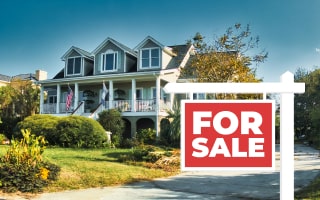
In West Virginia, homes sell in about 56 days, roughly 10% slower than the national median. While the Mountain State's more rural housing markets tend to move at a slower pace than many other states, certain home features are known to help sell homes faster. In West Virginia, these include:
-
![]()
Bedrooms: The most in-demand homes in West Virginia are those with 3-4 bedrooms and at least 2 bathrooms. They're ideal for growing families, remote workers needing home office space, and multigenerational households. In suburbs and commuter towns like Teays Valley or Cross Lanes, families seek 4-bedroom homes near good schools. In Morgantown, 3-bedroom homes work well as shared student rentals. Across all West Virginia markets, 3- to 4-bedroom homes tend to offer the perfect balance of comfort without excessive maintenance costs.
-
![]()
Size and Lot: In West Virginia, practical homes that balance size and upkeep usually sell the fastest. 1,500-2,000 square feet of living area on 0.25- to 0.5-acre lots sell fast, attracting buyers wanting manageable space, especially in urban areas like Morgantown, Fairmont, and South Charleston. Homes with 2,000-2,500 square feet also sell fast in Kanawha, Berkeley, and Jefferson Counties, where they appeal to families looking for more spacious, suburban living. Lot sizes between 0.25 and 0.5 acres are most desirable in the state, offering large enough spaces for play areas or gardens without overwhelming upkeep, especially in cities such as Charleston, Huntington, Beckley, and Martinsburg.
-
![]()
Style: Ranch-style homes and modern farmhouses sell fast in suburban and exurban areas, such as Charleston's suburbs and Harpers Ferry, offering easy, single-level living. Craftsman and updated Victorian cottages sell quickly in historic districts and older neighborhoods, including the downtown areas of Wheeling and Morgantown, while Colonial and Cape Cod homes appeal to buyers in traditional family-friendly neighborhoods and newer subdivisions like Martinsburg. Meanwhile, condos and townhomes move fast near downtown job centers, medical campuses, and universities, such as Huntington and Morgantown, where low-maintenance living is valued.
-
![]()
Modern Upgrades: Modern upgrades help West Virginia homes sell faster by making them appear in move-in ready condition and appealing to buyers. Open-concept kitchens with islands, durable countertops, and stylish cabinets create a central gathering space, while updated bathrooms with modern vanities boost comfort. Neutral paint, newer roofing and windows, energy-efficient HVAC systems, and tasteful landscaping all appeal to today's buyers. These upgrades are in high demand in cities such as Charleston, Morgantown, Martinsburg, and Wheeling. Similarly, homes with fiber broadband are especially attractive to remote workers, helping homes sell quickly in areas like Berkeley, Jefferson, and Monongalia.


What Should Home Sellers Know About Zoning Laws, Permits, and Regulatory Requirements in West Virginia?
In West Virginia, zoning laws and permitting requirements directly affect a property's value, use, and marketability. Local rules control land use, density, building types, and setbacks, which shape a property's highest and best use. Not all localities issue a one-size zoning compliance letter. Instead, it's best to request a zoning confirmation letter, permit history, and any open code-enforcement records from the city or county. This helps verify legal use, confirm past approvals, and uncover any outstanding violations or unpermitted work that could delay financing, resale, or development.
Since zoning rules may vary across West Virginia municipalities, it's important for investors to know which areas have flexible regulations and which ones enforce stricter development controls.
Strict Zoning Laws
Strict zoning laws set detailed rules for land use and building design. They require more approvals and reviews, which may slow projects in a bid to help protect neighborhood character and property values. In West Virginia, areas with strict zoning laws include:
- City of Lewisburg: Lewisburg has detailed design guidelines to assist property owners and developers in maintaining the historic character of the district. Any additions, alterations, new construction, landscaping, and architectural details must go through the city's Historic Landmark Commission.
- City of Charleston: The city enforces detailed land-use districts, rigorous setback requirements, and buffer standards through its zoning ordinance.
- Jefferson County: The county enforces comprehensive zoning regulations that include detailed land-use districts and stringent use controls, codified in the county's Zoning and Land Use Development Ordinance.
Less Bureaucratic Zoning Laws
These jurisdictions in West Virginia have fewer rules and faster approvals, making it easier to build or change a property's use:
- Berkeley County: The county reformed and streamlined its building permitting process, reducing processing times to between 15 days and two and a half weeks.
- Harrison County: Harrison County maintains fewer requirements to obtain permits for residential expansions and minor commercial developments.
- City of Parkersburg: The city has modernized its permitting process with an online application system, allowing residents and developers to submit applications electronically.
Special Permit Requirements Via a Public Hearing
Some areas require a special permit that must be approved following a public hearing. The local zoning board reviews these applications and decides whether or not to grant the permit. In West Virginia, these jurisdictions include:
- City of Wheeling: The city requires a public hearing for all conditional use permit applications. Additionally, for specific uses, developers must submit a special use permit application to the Planning Commission.
- City of Huntington: Certain land uses in Huntington require a special use permit, which involves a public hearing and approval by the Board of Zoning Appeals.
- City of Lewisburg: The Planning and Zoning Division in Lewisburg conducts public hearings to review applications for special use permits.
Certificate of Occupancy (CO) Requirements
In most West Virginia cities and counties, including South Charleston, Huntington, Morgantown, Parkersburg, and Berkeley, a CO is required before a property may be legally occupied after new construction, substantial renovations, or changes of use. While closings can occur without a CO, buyers generally cannot occupy the property until the CO has been formally issued. Many lenders require a CO for new construction loans, so confirming your loan's specific conditions is essential. Obtaining the CO ensures that all inspections are complete and that the property meets local building and safety standards.
Historic Commission Approval Requirements
In some West Virginia towns or districts, a historic commission must approve certain renovations, materials, or exterior changes. These laws protect the area's historic character. Properties in local or National Register districts may require Certificates of Appropriateness for street-visible exterior work. Interiors are usually exempt unless local ordinances specify additional requirements. In West Virginia, developers and homeowners may have to obtain historic commission approval before starting work in these districts:
- City of Beckley: All renovations, reconstructions, and alterations in the city's historic B-3 Zone require a Certificate of Appropriateness from the Historic Landmark Commission.
- City of Lewisburg: A Certificate of Appropriateness is required from the Planning and Zoning Division for any construction or exterior repair within the city's historic district.
- City of Wheeling: The Historic Landmark Commission oversees all construction activities involving the exterior of a building located within its historic district.
Which Towns or Cities in West Virginia Are Easiest, and Hardest, When It Comes to Navigating Real Estate Regulations?

Sellers and developers need to research and understand local zoning, permitting, and historic district requirements before commencing construction or selling a property. Complying with these rules helps avoid delays, violations, and legal issues while protecting property values and facilitating timely sales. Below is an overview of West Virginia's regulatory climate, including which areas are most development friendly, and which localities tend to have more bureaucratic oversight:
Development-Friendly Areas
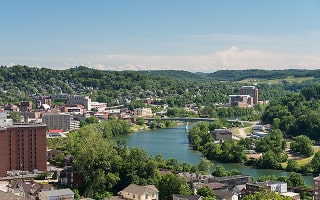
In West Virginia, some areas are known for being development friendly, offering flexible zoning, faster permits, and local government support. These pro-growth communities make it easier for builders and investors to pursue development projects and shorten timelines.
- City of Martinsburg: The city provides an online portal for building permit applications, helping shorten review times and expedite approvals.
- Berkeley County: The county provides a one-stop permitting and licensing page, enabling developers to apply for permits, check the status of applications, and schedule inspections.
- City of Morgantown: Morgantown simplifies the process of obtaining building permits through an online portal that's easily accessible via its Building Permits page. It also provides a clear fee schedule and a detailed online help page to assist users with submitting an application.
- City of Wheeling: While the city's Business and Planning Division requires a building permit for projects, it clearly lists the most common projects where a permit is needed.
- City of Parkersburg: The city provides both paper and online submissions for building permits and a schedule of fees. In addition, it lists the types of work that are exempt from permitting, such as certain small accessory structures and smaller detached decks.
Moderately Regulated Areas
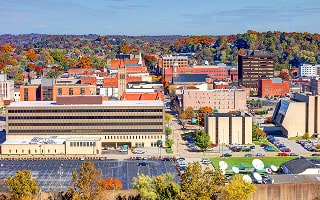
In West Virginia, moderately regulated areas have some zoning and permit requirements but are less restricted than highly regulated cities. Developers typically face some xextra steps, but projects may still move forward smoothly with less rigorous planning and oversight.
- City of Morgantown: The city requires neighborhood zoning notifications to property owners within 200 feet of certain land use or development decisions by the Planning Commission or Board of Zoning Appeals.
- City of Parkersburg: Developers proposing multifamily or mixed-use projects may face additional review steps, requiring approval from the Board of Zoning Appeals, especially for conditional uses or variances.
- City of Fairmont: All property improvements, including new building additions, driveways, and fences, require review and approval by the Planning and Development Department.
- Mineral County: The Planning Commission requires a building permit for all major residential and commercial construction, including new, altered, demolished, or remodeled structures. Construction in the floodplains requires written authorization from the Planning Department.
- City of Bluefield: Bluefield's Code Enforcement requires multiple inspections for all construction work to ensure the building conforms with its requirements. Each inspection requires a separate request and submission.
Highly Restrictive or Bureaucratic Areas

Highly restrictive areas have strict rules, strong community opposition to new projects, and a slow, complicated approval process that may make development more difficult and time-consuming. In West Virginia, these jurisdictions include:
- Shepherdstown: The Shepherdstown Historic District guidelines require approval by the Historic Landmark Commission for any exterior renovations or new construction.
- City of Lewisburg: All construction within the historic district must comply with the Historic District Design Guidelines. The city requires a public meeting with the Historic Landmark Commission for all construction activities within its historic districts.
- City of Charleston: Properties within the Historic District require multiple approvals from the Charleston Historic Landmarks Commission for any exterior changes visible from a public street, potentially leading to longer construction timelines.
- Harpers Ferry: The city enforces federal and local preservation standards as a national historic site. Development is tightly controlled, and even minor changes require multiagency review.
- City of Fayetteville: Fayetteville enforces strict environmental and aesthetic standards, especially in its Scenic Overlay District. Development near protected lands faces lengthy approval processes and timelines.
Regulatory Climate Factors
West Virginia's rules for building and development vary widely. Generally, local regulations affect the speed of development, as well as the costs and project timelines. Below is a table linking common regulatory factors and their impact on development, along with where they may be found within West Virginia.
| Factor | Impact on Development | Where It's Found |
|---|---|---|
| Zoning Flexibility | Determines ease of land use | Martinsburg, Bridgeport, Teays Valley/Hurricane in Putnam County, Inwood/Falling Waters in Berkeley County, and Parkersburg |
Wetlands/Conservation |
Limits buildable land |
Canaan Valley in Tucker County, New River Gorge corridor, Monongahela National Forest Edge, Ohio and Kanawha River floodplains |
Affordability Incentives/Programs |
Local incentives |
Charleston and Morgantown |
Building Code Enforcement |
Affects cost/speed |
Charleston, Morgantown, Huntington, Wheeling, Parkersburg, Martinsburg, and Beckley |
Local Politics/NIMBYism* |
Blocks or delays projects |
Shepherdstown, Lewisburg, Harpers Ferry, select neighborhoods in Charleston and Wheeling, and parts of Berkeley County |
*NIMBYism - Not in My Backyard
What Are the Most Effective Flipping and Resale Strategies for Maximizing Profit in West Virginia's Housing Market?

West Virginia's affordable prices and growing demand for homeownership offer great opportunities for flippers and resellers. Here are the top flipping and resale strategies, many of which are useful for investors aiming to generate outsized returns in West Virginia's property market:
-
![]()
Target Distressed or Foreclosed Homes: By targeting distressed, foreclosed, and auction properties, investors can access deals below market value. To succeed, investors can build connections with local auctioneers, bank agents, and county offices. Cities like Charleston, Huntington, and Martinsburg often list real-estate owned (REO), probate, and tax-sale properties through county auctions.
-
![]()
Use the 70% Rule: Using the 70% rule helps investors avoid overpaying in markets with moderate price growth, such as Charleston, Huntington, and Morgantown. To protect profit margins, the 70% rule advises offering no more than 70% of the after-repair value (ARV) minus the costs of repairs, holding, and closing.
-
![]()
Wholetail for Speed: With this strategy, investors make small, affordable improvements, such as updating kitchens, bathrooms, paint, flooring, and curb appeal, to create move-in-ready homes that sell quickly. Pricing competitively helps attract multiple offers and shorten time on the market. Wholetailing is popular in suburban and commuter areas, such as Martinsburg, Charleston, and Morgantown.
-
![]()
Renovate with Quality, Don't Cut Corners: Investing in quality renovations may pay off, especially in markets like Bridgeport and Charleston. Buyers typically prefer open-concept kitchens with modern layouts, energy-efficient HVAC systems, and spa-style bathrooms that add a luxury feel. These improvements increase home value and appeal, helping sellers get the best price.
-
![]()
Follow the BRRRR Method (Buy, Rehab, Rent, Refinance, Repeat): The BRRRR strategy is effective in cities such as Morgantown, Charleston, and Huntington, where large employers, like universities, governments, and medical centers, attract long-term tenants and create steady rental demand. Using this method, investors buy undervalued homes, renovate them to a rent-ready condition, and lease them to quality tenants. Once stabilized, investors can refinance based on rental income to access equity for the next purchase.
-
![]()
Consider Value-Add Flipping (Go Beyond Cosmetic Work): In West Virginia, value-add conversions, like converting single-family homes into duplexes or adding accessory dwelling units (ADUs), are popular in areas with flexible zoning, such as Morgantown, Charleston, and Martinsburg. Adding extra bedrooms or bathrooms or finishing basement spaces may increase a home's value by up to 30%.
-
![]()
Target FHA 203(k) Buyers: Homebuyers use FHA 203(k) loans to buy and renovate homes with a single mortgage. In West Virginia, this federally-backed loan program is popular in cities like Huntington and Fairmont. Targeting FHA 203(k) buyers means focusing renovations on FHA-approved repairs, such as updating kitchens, bathrooms, and essential systems. Additionally, staging the home to appeal to families and pricing competitively attracts both FHA and first-time buyers, helping sell the home faster, especially in entry-level markets where rehab financing is more common.
-
![]()
Stage and Price Strategically: In West Virginia towns like Lewisburg, Alderson, and Charles Town, professionally staging a home helps buyers imagine themselves living in the space. It creates an emotional appeal, usually leading to faster sales and more offers. Pairing professional home staging with strategic pricing (e.g., charm pricing) makes the price more attractive and may increase buyer interest.


How Should Sellers Price Their Homes to Attract Buyers While Maximizing Value in West Virginia?

When selling a home in West Virginia, it's advisable to work with an experienced local agent or certified appraiser to review recent active, pending, and sold homes from the last 90 days. This helps sellers understand the local market, set the right price for their properties, and attract serious buyers. In West Virginia, investors and sellers may use the following strategies to help attract buyers while maximizing value:
-
![]() Pricing Just Below Below Market Thresholds: Pricing just below market thresholds means listing a home just under a round number, like choosing $249,900 instead of $250,000. This tactic boosts online search visibility and attracts more buyers by creating the perception of a better deal. It works best in competitive areas where homes sell fast and multiple offers are common. For instance, property sellers in Martinsburg, Morgantown, and the Eastern Panhandle often use this method to generate more online views and get more showings.
Pricing Just Below Below Market Thresholds: Pricing just below market thresholds means listing a home just under a round number, like choosing $249,900 instead of $250,000. This tactic boosts online search visibility and attracts more buyers by creating the perception of a better deal. It works best in competitive areas where homes sell fast and multiple offers are common. For instance, property sellers in Martinsburg, Morgantown, and the Eastern Panhandle often use this method to generate more online views and get more showings.
-
![]() Charm Pricing (Psychological Pricing): Charm pricing works by listing a home with prices ending with an odd number, like 7 or 9, say $249,700 instead of $250,000, to make it appear like a better deal and attract more buyers. Ending prices in 700s or 900s may boost online views and showings without lowering the property's true value. This tactic works statewide but is especially useful in suburban commuter towns, mid-tier markets, and family-friendly neighborhoods, such as Parkersburg, Wheeling, Fairmont, Charleston, and Bridgeport, where buyer searches usually filter just below set price caps.
Charm Pricing (Psychological Pricing): Charm pricing works by listing a home with prices ending with an odd number, like 7 or 9, say $249,700 instead of $250,000, to make it appear like a better deal and attract more buyers. Ending prices in 700s or 900s may boost online views and showings without lowering the property's true value. This tactic works statewide but is especially useful in suburban commuter towns, mid-tier markets, and family-friendly neighborhoods, such as Parkersburg, Wheeling, Fairmont, Charleston, and Bridgeport, where buyer searches usually filter just below set price caps.
-
![]() Pricing to Create a Bidding War: Pricing to create a bidding war means listing your property slightly below comparable sales, usually up to 10% lower, to attract buyers, create urgency, and spark multiple offers that may push the final price even higher. This works best in seller's markets with low inventory and strong demand, such as Huntington, Wheeling, and the Northern Panhandle. In Putnam County, homes in top-rated school districts typically sell faster and for more money when priced this way. It's also effective in Morgantown's university-adjacent neighborhoods.
Pricing to Create a Bidding War: Pricing to create a bidding war means listing your property slightly below comparable sales, usually up to 10% lower, to attract buyers, create urgency, and spark multiple offers that may push the final price even higher. This works best in seller's markets with low inventory and strong demand, such as Huntington, Wheeling, and the Northern Panhandle. In Putnam County, homes in top-rated school districts typically sell faster and for more money when priced this way. It's also effective in Morgantown's university-adjacent neighborhoods.
-
![]() High-Anchor Pricing (Test the Waters): High-anchor pricing lists a home at the very top of the local market range, and is useful when the property has rare features, an exceptional location, or high-end upgrades. This approach gives sellers room for negotiation and may help capture premium buyers. It's common with Berkeley County luxury homes, where properties list at $499,000-$525,000 despite comparables in the $450,000-$475,000 range, and with resort cabins near Snowshoe Mountain, Charleston's riverfront properties, and Morgantown golf course homes.
High-Anchor Pricing (Test the Waters): High-anchor pricing lists a home at the very top of the local market range, and is useful when the property has rare features, an exceptional location, or high-end upgrades. This approach gives sellers room for negotiation and may help capture premium buyers. It's common with Berkeley County luxury homes, where properties list at $499,000-$525,000 despite comparables in the $450,000-$475,000 range, and with resort cabins near Snowshoe Mountain, Charleston's riverfront properties, and Morgantown golf course homes.
-
![]() Price-Per-Square-Foot Benchmarking: This pricing strategy works in neighborhoods or buildings where homes are very similar, such as planned subdivisions, condo complexes, or new-build enclaves. Buyers in these areas match their home prices to align with the community average price per square foot, making minor adjustments as needed for upgrades or size differences. This strategy works in Charleston, Parkersburg, and Morgantown, as well as in condo units near the university in Monongalia County, Martinsburg townhomes, and Bridgeport new builds.
Price-Per-Square-Foot Benchmarking: This pricing strategy works in neighborhoods or buildings where homes are very similar, such as planned subdivisions, condo complexes, or new-build enclaves. Buyers in these areas match their home prices to align with the community average price per square foot, making minor adjustments as needed for upgrades or size differences. This strategy works in Charleston, Parkersburg, and Morgantown, as well as in condo units near the university in Monongalia County, Martinsburg townhomes, and Bridgeport new builds.
-
![]() Appraisal-Backed Pricing: Appraisal-backed pricing means setting your list price close to what the home is likely to appraise for, helping avoid financing shortfalls and failed closings. This tactic is crucial in areas with FHA or VA buyers, where lenders strictly follow appraisals. In markets such as Fairmont, Beckley, and Huntington, listing properties close to recent appraised comps can help properties sell faster and minimize potential financing issues.
Appraisal-Backed Pricing: Appraisal-backed pricing means setting your list price close to what the home is likely to appraise for, helping avoid financing shortfalls and failed closings. This tactic is crucial in areas with FHA or VA buyers, where lenders strictly follow appraisals. In markets such as Fairmont, Beckley, and Huntington, listing properties close to recent appraised comps can help properties sell faster and minimize potential financing issues.
-
![]() Net-to-Seller Pricing: Net-to-seller pricing starts with the seller's target "take-home" amount after commissions, repairs, and closing costs, then works backward to find the right list price. This approach is useful in slower markets or when the seller has a firm financial goal. Estate sales in Ohio County and listings in Bluefield, Clarksburg, and Logan County rely on this method to prevent overpricing and speed up sales. However, be sure to include transfer or excise tax, HOA resale doc fees (if any), and well/septic inspection credits common in rural closings.
Net-to-Seller Pricing: Net-to-seller pricing starts with the seller's target "take-home" amount after commissions, repairs, and closing costs, then works backward to find the right list price. This approach is useful in slower markets or when the seller has a firm financial goal. Estate sales in Ohio County and listings in Bluefield, Clarksburg, and Logan County rely on this method to prevent overpricing and speed up sales. However, be sure to include transfer or excise tax, HOA resale doc fees (if any), and well/septic inspection credits common in rural closings.
-
![]() Urgency Pricing (Motivated Seller Strategy): Urgency pricing is used when sellers need a fast sale, and is common in divorce, estate, job relocation, or pre-foreclosure situations. With this strategy, homes are listed below market value to attract immediate offers, shorten holding time to reduce overall costs, and close quickly, even if it means accepting a lower net. This approach is seen in Huntington relocations, Bluefield distressed sales, and Martinsburg pre-foreclosures, where speed matters more than squeezing every dollar out of the sale.
Urgency Pricing (Motivated Seller Strategy): Urgency pricing is used when sellers need a fast sale, and is common in divorce, estate, job relocation, or pre-foreclosure situations. With this strategy, homes are listed below market value to attract immediate offers, shorten holding time to reduce overall costs, and close quickly, even if it means accepting a lower net. This approach is seen in Huntington relocations, Bluefield distressed sales, and Martinsburg pre-foreclosures, where speed matters more than squeezing every dollar out of the sale.


When selling a home in West Virginia, start by partnering with a local agent or appraiser to analyze active, pending, and recently sold comparables from the past 90 days. Once you've pinpointed the conditions of your local market, you can match the strategy below to help maximize buyer interest and secure top value for your property.
| Market Condition | Best Strategy |
|---|---|
Seller's Market |
Underpricing for a bidding war |
Buyer's Market |
Charm pricing or net-to-seller |
Unique, luxury home |
High-anchor + value justification |
Entry-level home |
Just below threshold |
Urgent sale needed |
Aggressive urgency pricing |
Flipper or investor listing |
Appraisal-backed or price-per-square-foot |
Which Key Economic, Social, and Regulatory Factors Are Driving Current Trends in West Virginia's Local Property Markets?

Here are some of the key factors driving demand and supply in the West Virginia property market:
![]() Economic Factors
Economic Factors
 Economic Factors
West Virginia's job market relies on the healthcare, education, government, manufacturing, and energy sectors, all of which support housing demand in cities like Morgantown, Charleston, Huntington, Clarksburg, and Bridgeport. The state's lower cost of living, ranking eighth nationwide, and below-average minimum wage ($8.75 per hour), keeps homes affordable in counties such as Kanawha, Monongalia, and Berkeley, easily attracting first-time buyers and renters. Residential permits remain low at 2.37 per 1,000 residents, limiting housing supply, especially in places like Martinsburg and Morgantown.
![]() Demographic and Social Factors
Demographic and Social Factors
 Demographic and Social Factors
West Virginia's population continues to decline, shrinking by 4.3% over 12 years. However, while the overall population is decreasing, commuter towns, such as Berkeley, Jefferson, Morgantown, and Huntington, are experiencing population growth, largely due to in-migration from rural counties like Mingo and Fayette. These growing cities see steady property demand, while remote areas face slower markets. The median age is 42.7 years, reflecting a population in need of single-family homes, and driving up demand for such properties in areas such as Bridgeport and Teays Valley.
![]() Regulatory and Legal Framework
Regulatory and Legal Framework
 Regulatory and Legal Framework
In West Virginia, home rule powers mean zoning and permitting are typically handled locally. West Virginia State Building Code applies statewide, with cities and counties enforcing it locally. However, in unincorporated areas, there may be limited or no local zoning guidance (beyond subdivision, floodplain, and health rules). Floodplain management along the Ohio, Kanawha, Monongahela Rivers and tributaries can add review steps, while inland cities such as Morgantown, Parkersburg, and Wheeling may offer faster approvals.
There's no statewide rent control in West Virginia; landlords may set rents within lease terms. Following new construction, major remodels, and changes of use, failure to obtain a CO may delay sales, as lenders and buyers usually require them along with zoning verification. In older river towns, such as Point Pleasant, or in flood-prone areas along the Kanawha and Ohio Rivers, historic and environmental rules may increase timelines and the cost of development.
![]() Taxation and Fiscal Policy
Taxation and Fiscal Policy
 Taxation and Fiscal Policy
West Virginia's property tax rates are among the lowest in the U.S., further reducing ownership costs for homeowners and investors. Counties like Jefferson, Putnam, and Harrison benefit from some of the lowest annual tax bills, which can help rental investors widen margins. In terms of personal taxes, the state has a graduated income tax rate that ranges from 2.36% to 5.12%, helping lower-income earners afford homes.
The state has affordable housing programs to encourage homeownership. Historic Rehabilitation Tax Credits are available for commercial and residential revitalization in cities like Martinsburg, Harpers Ferry, and Wheeling, while Low-Income Housing Tax Credit (LIHTC) programs in Kanawha and Cabell help make housing affordable in West Virginia.
![]() Housing Policy and Government Programs
Housing Policy and Government Programs
 Housing Policy and Government Programs
The West Virginia Housing Development Fund runs programs like the LIHTC, Affordable Housing Fund, and the HOME Investment Partnership Program to boost affordable rental construction and homeownership. These programs are important for larger rehabs or new construction in cities such as Charleston, Morgantown, and Huntington. In smaller towns, like Greenbrier, Upshur, and Mineral, USDA loans and grants help finance purchases, repairs, and energy upgrades with little or no down payment. Combining state and federal programs may help bridge funding gaps for many West Virginia housing projects.
![]() Infrastructure and Development Trends
Infrastructure and Development Trends
 Infrastructure and Development Trends
Highway upgrades, commuter road projects, and BEAD-funded broadband expansion are reshaping property demand in parts of West Virginia. Improvement along Interstate 64, (Charleston to Huntington) and Interstate 79 (Clarksburg to Morgantown) attracts buyers seeking easier commutes, while better internet in counties like Preston, Monroe, and Pocahontas supports remote work growth. Revitalization projects, from Main Street Bluefield to downtown upgrades in cities like Fairmont, Parkersburg, Ripley, Point Pleasant, and Wheeling, attract renters, small businesses, and investors.
![]() Market Sentiment and Investor Behavior
Market Sentiment and Investor Behavior
 Market Sentiment and Investor Behavior
Investor focus varies by market in West Virginia. The BRRRR strategy thrives in college towns and around medical hubs, including in cities like Morgantown, Huntington, and Lewisburg, where steady rental demand supports higher occupancy rates and easier refinances. Wholetail flips are ideal in commuter suburbs near Charleston, Bridgeport, and Martinsburg, where buyers seek move-in-ready homes. Deep-value rehabs are common in lower-cost counties such as McDowell, Logan, and Wetzel, with discounted properties commonly acquired through off-market deals, county auctions, or tax sales. Overall, West Virginia's foreclosure rate remains one of the lowest in the nation, helping maintain price stability.
The West Virginia housing market offers both opportunities and challenges shaped by the local economy, regulations, and policies. Sellers and investors must understand the various pricing methods and the one that best suits the market in their property's locale. Complying with zoning laws and historic preservation requirements is essential to protect value and avoid delays. Though the state's economy sees slower growth, its low unemployment rate, affordable cost of living, and infrastructure improvements continue to attract buyers, while migration and community preferences also influence demand. By acquiring properties below market value, sticking to a clear flipping strategy, and using strategic pricing matched to local market conditions, sellers and developers can succeed in West Virginia's unique real estate market.
Table of Contents
- West Virginia Home Selling
- Which Areas in West Virginia Offer the Best Return on Investment and Are Easiest for Residential Property Development?
- What Home Styles, Sizes, and Features Tend to Sell Fastest in the West Virginia Market?
- What Should Home Sellers Know About Zoning Laws, Permits, and Regulatory Requirements in West Virginia?
- Which Towns or Cities in West Virginia Are Easiest, and Hardest, When It Comes to Navigating Real Estate Regulations?
- What Are the Most Effective Flipping and Resale Strategies for Maximizing Profit in West Virginia's Housing Market?
- How Should Sellers Price Their Homes to Attract Buyers While Maximizing Value in West Virginia?
- Which Key Economic, Social, and Regulatory Factors Are Driving Current Trends in West Virginia's Local Property Markets?